Partnering with a leading PPC agency can improve your marketing performance, however it's more than just delegating tasks and waiting for results. True optimization results from an alliance where both of you as well as the agency, contribute your own skills. While the role of the agency is to deliver strategic execution, technical mastery, and timely input, your role is to offer context to business resources, as well as providing timely feedback. Adopting best practices will help you develop a plan to empower your agency and maximize ROI. The following 10 practices will show how you can effectively organize this partnership, create efficient workflows, and take advantage of the agency's full capabilities to continuously improve and reach your business goals by using PPC.
1. Establish Clear Business Objectives and KPIs In the beginning.
Before you can optimize your process begin, ensure that you have clearly defined business objectives. Instead of vague guidelines like "get traffic," define specific, quantifiable key performance indicators (KPIs), such as "achieve the conversion rate of 5% rate and a cost-per acquisition (CPA) goal of less than $50." Include business context such as life-time value of customers (LTV) as well as profit margins and season trends. This data base lets the agency make intelligent bidding, targeting and marketing decisions that are in line with your business's bottom line.
2. Full Account Transparency with Collaborative Access.
You can give the agency with administrative access to all your accounts but you need to retain the right to control ownership and rights for administrative purposes. This transparency will allow you to observe the work progress and understand the method being implemented. You can also conduct audits on your own, when required. Use a common folder to house important documents like brand guides, product catalogs as well as data on sales figures for the month. The information exchange helps build confidence, and provides the agency all the tools it needs to design effective campaigns that are on brand.
3. Implement and Validate Robust conversion tracking.
An agency is only as efficient as the information it receives. The most crucial technical aspect is to implement precise conversion tracking across all relevant actions from submission of forms and telephone calls to purchases made through e-commerce. It can be accomplished through the use of Google Tag Manager conversion tags as well as Google Ads. Working with a professional agency is essential to validating this information. This can be done by comparing your platform's reported conversions with internal CRM figures or sales figures.
4. Schedule Regular and structured performance evaluations.
Move beyond sporadic emails and establish a regular schedule of meetings, usually weekly or bi-weekly for an operation call, and a monthly strategic review. The monthly meeting is used to review performance in relation to the KPIs set out in practice #1. It's also a good time to discuss the strategic suggestions of the agency and plan for the coming month. Make sure you have your own feedback and business information to ensure that these meetings are productive.
5. Empower your agency by using a budget that you can test and learn.
Optimization requires constant experimentation. You can allocate a portion of your budget (10-20%) to testing new strategies. This empowers the agency to proactively experiment with new ad copy as well as page layouts, audience segments, and bidding strategies without jeopardizing the performance of your existing campaigns. This encourages creativity, and provides data-driven opportunities for new growth.
6. Provide prompt feedback on sales and lead quality.
The agency will see the conversions and clicks, however, it is you who is the one to see what happens following. Establish feedback loops that are simple and consistent to collect data about sales and lead quality. The agency can make adjustments to keywords, targeting or ad copy if they're generating large numbers of leads that the sales team believes are not qualified. Feedback from closed loops is essential for refining campaigns in order to attract higher-value customers.
7. Be Data-Driven and Avoid Knee-Jerk responses.
The most successful organizations depend on data that is statistically significant. Don't expect drastic adjustments based on a single week's or day's performance. Be sure to follow the company's guidelines and wait for their tests to be completed before evaluating their results. The micromanagement of keyword bids could destroy the experts you have hired. Instead, focus on the high-level results that were discussed during your strategic reviews.
8. Collaborate with Collaboration on Landing Pages Optimization (CRO).
The landing pages are the ones that make the conversion complete. Close collaboration is key to the most successful relationships. The agency will provide insight using data to determine the pages that are not performing well and offer specific recommendations for A/B-testing elements such as headlines or call-to-action button. Your role is to provide the resources (e.g. an online developer or CRO tool) to implement these tests promptly.
9. Align PPC Strategy with Broader Marketing Initiatives.
Be sure that your PPC campaigns aren't operating independently. Be aware of forthcoming launches, publication of content and promotions as well as offline marketing. This helps them develop coordinated campaigns. For instance, creating a dedicated campaign to promote a new product or content piece to a specific target audience. This alignment maximizes your marketing budget.
10. Foster a Strategic Partnership Mindset.
Consider the relationship not as a vendor agreement but as a long term strategic partnership. The best PPC outcomes are usually obtained through iterative optimizations that are carried out over a period of months rather than just a few days. Encourage the agency to think bigger and develop long-term strategies. This type of partnership, built on mutual respect and shared goals, will create a culture where the agency is involved in your achievement. Read the top rated source on best pay per click companies for website examples including ppc company, agency google ads, google advertising campaign, online advert, ads account, advertise on google shopping, advertise with google ads, click per pay ads, google business advertising, google advertising cost and more.
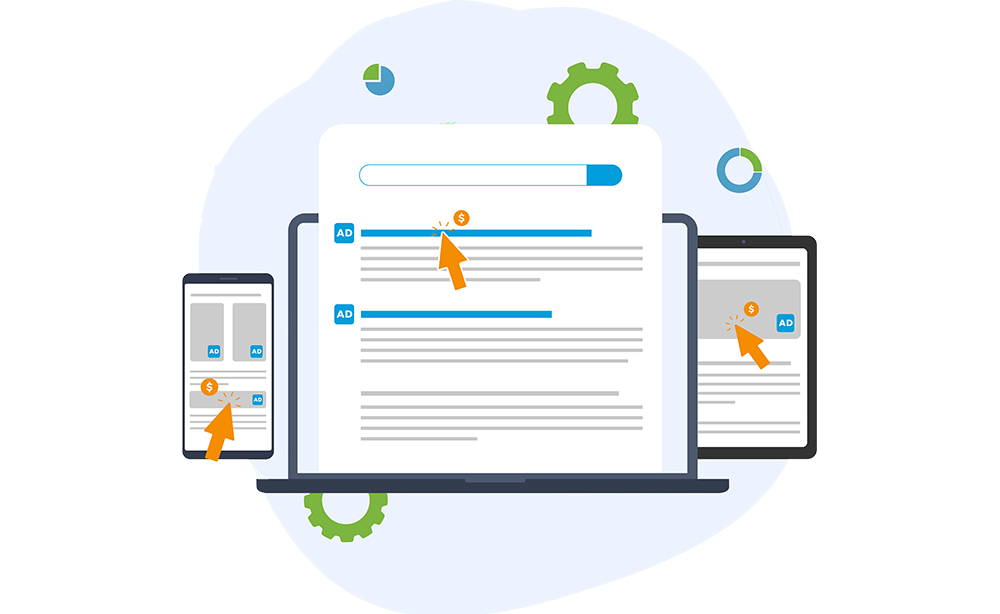
Top 10 Mistakes You Should Avoid When Working With The Ppc Agency For The First Time
Collaboration with a PPC Agency is a vital step in growing your business. But there are a myriad of pitfalls in the beginning that could hinder the success of this relationship and reduce the ROI. Insufficient clarity or mismatched expectations can result in a variety of mistakes. First-time clients tend to either completely disengage, viewing the agency as an external vendor that has to be managed remotely or manage each aspect in a micromanaged manner, undermining the expertise that they have hired. To successfully manage this partnership, it is crucial to keep an equilibrium between active involvement and strategic faith. It is possible to avoid these mistakes and establish a effective, transparent and efficient partnership that will drive tangible business outcomes right from the start.
1. Inability to define Clear Business Goals and KPIs.
The biggest mistakes you can make is not having a written clearly defined set of goals for your business. Vague directives like "increase traffic" or "get more leads" provide no actionable direction. The agency can't match its strategies to your bottom line without Specific Measureable Achievable, Relative and Time-bound (SMART), goals. Key Performance Indicators such as Cost Per Acquisition (CPA) and Return on Ad Spending (ROAS) must be established upfront to establish a benchmark for all parties.
2. Refraining Key Business Information and Context.
Your company is an expert in PPC however, you are the one who knows your business. It's a common mistake not providing important information about sales cycles and limitations on inventory and seasonal promotions, or even product launches. Also, you might not have received any feedback from your team on the quality of leads. The agency will go blind if it is not informed. The agency could increase spending prior to stock shortages or not take advantage of an opportunity to market new services, thus wasting money and missing important strategic opportunities.
3. Micromanaging campaigns tactics instead of managing results.
It's a good thing to be involved, but having to dictate daily keywords bids, modifications to the ad copy or asking for specific adjustments to target your ads, will undermine the expertise that you hired. This blunder transforms the role of the agency, from a strategic partner to one who can complete tasks and stifles their ability to make use of their specialist knowledge. Focus on the outcome instead of micromanaging tactics. Hold the agency accountable to results and communicate your goals.
4. Inattention to a protocol that is established for reporting and communication.
The assumption that communications will "just happen" naturally is a recipe for frustration. A lack of a process can result in missed communication, slower response time, and the impression that you're out of the loop. Before starting, you must decide which is the primary method of communication (email or software for project management), the frequency (weekly strategic and monthly tactical) and the format of the report. This will ensure that all issues are dealt with in a similar way and that any minor issues don't get worse.
5. Expectations unrealistic of Speed and Scale.
PPC isn't the answer. One common mistake is to anticipate instant and huge results in the first month. It is important to give yourself a time for period of study before starting a campaign. This allows time for testing as well as data collection and optimization. A significant growth rate and sustainable typically takes several quarters to reach, not days. Any company that promises immediate results is often using untested methods. The basis of long-term success is built on patience and long-term planning.
6. You are not able to retain full ownership and Access to Your Ad Accounts.
Do not allow an agency to create or manage PPC accounts on your behalf. Google Ads or Microsoft Advertising and any analytics account should be owned by you. Your agency will only have access to the administrative side. This can lead to "hostage situations" in which it becomes difficult or impossible for you to access the data of your campaign and performance history if, at an opportune time you decide to split ways with your agency or manage your campaigns on your own. The right to complete access and transparency is not an option to negotiate.
7. Not completing the Onboarding and Strategic Kickoff Process.
It is essential to have a clearly defined onboarding procedure. Many errors can be made rushing through this stage or skipping it entirely to "get your campaigns up and running faster". The kickoff is the time to set goals, discuss the brand's guidelines, identify important contacts, and develop the roadmap. This essential step makes sure everyone starts with the same goal and avoids costly course corrections later.
8. The focus is on Vanity Metrics Over Business Outcomes.
It's very easy to be tempted by metrics like huge CTRs or big impressions. They're just vanity metrics if the numbers don't translate to business worth. This is an error that agencies make when they're pushed to focus on these metrics that are superficial and not the more significant business-related KPIs like qualified lead quantity, cost per purchase, or customer life-time value. Focus should be placed on activities that will positively affect your profitability, revenue and your agency.
9. Failing To Provide timely approval and feedback
The digital advertising landscape moves quickly. In the event of delays by the client, it could totally stop the optimization of campaigns and speed. The most common mistake is taking too much time going through and approving ads, landing pages or strategic recommendations. Create a reasonable agreement on service levels for feedback (e.g., 48-hour turnaround) to ensure the agency can execute its work effectively and take advantage of opportunities quickly.
10. Treating your relationship as a transactional one instead of a partnership-based one.
A common mistake made by strategic planners is to see the agency as an entity that executes the tasks. Genuine partnerships, based on collaboration, openness, and shared objectives, are the most successful. This means that you share your achievements and challenges, offering constructive feedback, and including the agency in larger discussions on business. A partnership mentality fosters trust and inspires the agency to invest in your success and your success long-term. View the recommended bestppcfirm.com marketing for website info including ad words, google ads customer service, ads google ads, google adwords what is it, specialist ppc, ppc ad management, google adwords ppc campaign, specialist ppc, ads strategies, google google ad and more.
